Midjourney Prompt Structure: A 5-Part Formula
A repeatable Midjourney prompt structure — the 5-part formula that turns a blank box into the on-target image you pictured, with a before/after for each part.
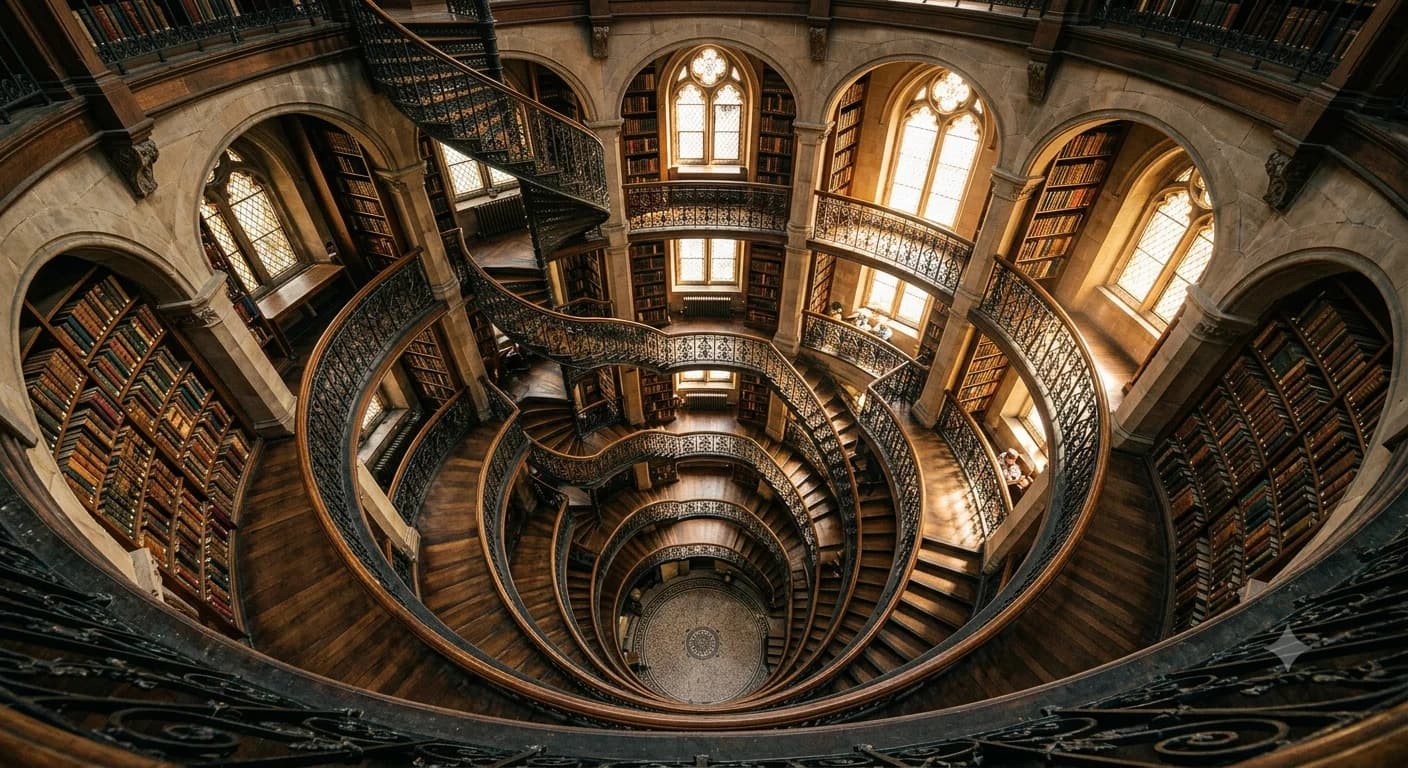
Midjourney prompt structure is the difference between typing a few words and hoping, versus building a prompt in parts so the model gives you the image you actually pictured. Most disappointing results aren't bad ideas — they're well-meaning word piles with no order, where the model is left guessing which detail matters.
This is the fix: a repeatable 5-part formula you can run every time. Subject, style, mood and lighting, composition, parameters — five layers, each with a clear job, each shown here with a before/after so you can see exactly what it adds.
Table of contents
- Why structure beats keyword soup
- The 5-part Midjourney prompt structure
- Does prompt order matter?
- Fixing "elements bleeding together"
- The formula adapted to 3 subjects
- Copy-paste templates
- Frequently asked questions
Why structure beats keyword soup
Throw twelve adjectives at Midjourney and you get mush. Not because the words are wrong, but because the model can't tell which ones carry the image and which are filler. Beautiful, stunning, epic, masterpiece, 8k, trending reads as noise — it dilutes the signal instead of sharpening it.
A structured prompt does the opposite. It tells the model what the picture is, how it should look, how it's lit, how it's framed, and what technical settings to honor — in that order, each part doing one job. The model has far less room to guess.
That's the entire value of a Midjourney prompt structure: it converts a vague wish into a brief. And a brief is something the model can actually follow. The keyword-soup approach worked well enough on older versions that rewarded short tag lists, but current Midjourney rewards descriptive detail — which makes a deliberate Midjourney prompt structure matter more now than it ever did.
🧠 Remember:
A prompt is a brief, not a wish. Five parts — subject, style, mood/lighting, composition, parameters — each doing one job. When an image disappoints, you're almost always missing a part, not missing adjectives.
The 5-part Midjourney prompt structure
Here's the whole formula. The fastest way to feel what each part does is to build one prompt up, layer by layer, and watch the output sharpen.
Part 1 — Subject. What the image is of. Lead with it.
a lighthouse on a rocky cliff
Generic, centered, midday. The model picked everything else for you.
Part 2 — Style. The aesthetic: medium, genre, era.
a lighthouse on a rocky cliff, oil painting, impressionist brushwork
Now it's a painting with a point of view, not a stock photo.
Part 3 — Mood and lighting. Time of day, direction, color temperature.
a lighthouse on a rocky cliff, oil painting, impressionist brushwork,
at dusk, warm amber light against a deep indigo sky
Atmosphere lands. The image has a time and a feeling.
Part 4 — Composition. Shot type, lens, where the subject sits in frame.
a lighthouse on a rocky cliff, oil painting, impressionist brushwork,
at dusk, warm amber light against a deep indigo sky, cinematic wide
shot, rule of thirds, lighthouse on the right
Framing becomes intentional. Composition fundamentals like the rule of thirds do real work here — naming them gives the model a target instead of a default.
Part 5 — Parameters. The technical flags.
a lighthouse on a rocky cliff, oil painting, impressionist brushwork,
at dusk, warm amber light against a deep indigo sky, cinematic wide
shot, rule of thirds, lighthouse on the right --ar 16:9 --style raw --s 150
Technical polish: the right aspect ratio, tighter adherence with --style raw, controlled stylization.
That's the spine of every strong prompt. If you want the full picture of what each parameter in Part 5 actually does, the Midjourney parameters cheat sheet breaks them all down. And once a prompt is structured, removing stray junk is a job for negatives — see how --no actually works.
Does prompt order matter?
Yes — more than most guides admit. Order is the part of Midjourney prompt structure people most often ignore. Current Midjourney weighs earlier words more heavily, so the order of your parts changes the output even when the words are identical.
Lead with the subject. Compare:
a red fox in a misty forest, golden hour, 85mm lens
against the same words rearranged:
misty forest with beautiful golden hour light containing a red fox
The first gives you a fox, sharply. The second gives you a forest with a fox lost somewhere in it — because the model spent its early attention on "forest" and "light," and treated the fox as an afterthought.
💡 Pro Tip:
Front-load the subject, then modify outward. The first 5–7 words of a Midjourney prompt structure carry the most weight, so spend them on what the image is of — not on mood words or quality filler.
Fixing "elements bleeding together"
Here's a pain every Midjourney user hits: you ask for a red car and a blue house, and you get a purple car, a reddish house, or some blended mess. Attributes "bleed" across objects because the model isn't sure which adjective belongs to which noun.
The fix is structural separation. Don't stack attributes in a comma-jumble — bind each attribute to its object in its own clause:
❌ red car blue house green tree, suburban street
✅ a glossy red sports car parked in front of a pale blue house,
   a single green oak tree to the left, quiet suburban street
The second version keeps colors where they belong because each object is described as a small, complete phrase. A disciplined Midjourney prompt structure isn't just about quality — it's about control over which detail attaches to which thing.
⚠️ Watch Out:
Stacking bare attributes — "red car blue house" — invites color bleed (purple cars, reddish houses). Bind each attribute to its object in a full phrase: "a red car in front of a blue house." Separation in the sentence creates separation in the image.
Five parts, the right order, attributes bound to the right objects, parameters tuned per version — getting every layer right by hand, every time, is the tedious part. Suvio assembles the whole structure for you from a plain description.
The formula adapted to 3 subjects
The five parts stay the same; the choices inside each part change with the subject. Here's the same formula tuned for three common jobs.
| Subject | Lens / shot | Lighting | Parameters |
|---|---|---|---|
| Portrait | 85mm, shallow depth of field | Soft window light, rim light | --ar 4:5 --style raw --s 150 |
| Landscape | Wide-angle, deep focus | Golden hour, long shadows | --ar 16:9 --s 250 |
| Product | Macro / 100mm, clean studio | Softbox key, white sweep | --ar 1:1 --style raw --s 100 |
Shallow depth of field is what isolates a portrait subject from its background; a landscape wants the opposite — wide-angle, deep focus, everything sharp. Same Midjourney prompt structure, opposite choices inside the composition layer.
Portrait:
a weathered fisherman, close-up portrait, 85mm lens, shallow depth of
field, soft window light with subtle rim light, neutral background
--ar 4:5 --style raw --s 150
Landscape:
a sweeping alpine valley, wide-angle landscape, golden hour sunlight,
long shadows across the meadow, distant snow peaks, deep focus
--ar 16:9 --s 250
Product:
a matte ceramic coffee mug, studio product shot, softbox key light,
clean white sweep background, subtle reflection --ar 1:1 --style raw --s 100
Same skeleton, three different results — because the formula is a frame, and the subject decides what goes in it. For portraits specifically, the lens-and-lighting choices go deep; the Midjourney portrait prompts guide has eleven worked examples.
Where this gets tedious. Remembering the five parts is the easy bit. Knowing which lens sells a portrait versus a landscape, which lighting makes a product pop versus sets a mood — that's where practice meets platform knowledge. Suvio handles that translation: describe what you want, and the prompt comes back with each layer dialed in for the platform you're using. See real before/after examples in the gallery.
Copy-paste templates
Fill in the brackets and go. Each template is just the 5-part Midjourney prompt structure with the parts labeled, so you can see the formula holding the prompt together.
Universal:
[subject], [style], [mood/lighting], [shot type + composition]
--ar [ratio] --style raw --s [100-250]
Photographic realism:
[subject], photographic, [lens]mm lens, [lighting], [composition]
--ar [ratio] --style raw --s 100
Illustrated / stylized:
[subject], [art style], [color palette + mood], [composition]
--ar [ratio] --s 300
⚡ Try This:
Take a flat prompt you've used before — just a subject and a couple of adjectives — and rebuild it with all five parts in order. Run the old version and the structured version side by side. The jump in control is the fastest way to internalize the formula.
Start from the pillar if you want the bigger picture of AI prompt engineering, or see what changed in Midjourney V8 for why structured, natural-language prompts now beat keyword stacks.
Frequently asked questions
What is the best Midjourney prompt structure?
A 5-part formula: subject, style, mood and lighting, composition, parameters — written in that order. Lead with the subject, bind attributes to their objects, and finish with technical flags like --ar and --style raw. It's repeatable and works across subjects.
Does word order matter in a Midjourney prompt? Yes. Current Midjourney weighs earlier words more heavily, so front-load the subject. "A red fox in a misty forest" outperforms "misty forest containing a red fox" because the model spends its early attention on whatever comes first.
Why do colors bleed between objects in my prompt? Because bare stacked attributes ("red car blue house") don't tell the model which adjective belongs to which noun. Bind each attribute to its object in a full phrase — "a red car in front of a blue house" — and the separation in the sentence creates separation in the image.
How long should a Midjourney prompt be? Long enough to fill all five parts with real detail — usually 30–50 words on V8.1. Longer beats terse on current Midjourney, as long as the extra words are specifics, not filler adjectives.
Do I need all five parts every time? No, but missing parts are usually why an image disappoints. Subject is mandatory; the other four each remove a category of guesswork. Skip a part only when you genuinely want the model to decide that layer.
Keep reading
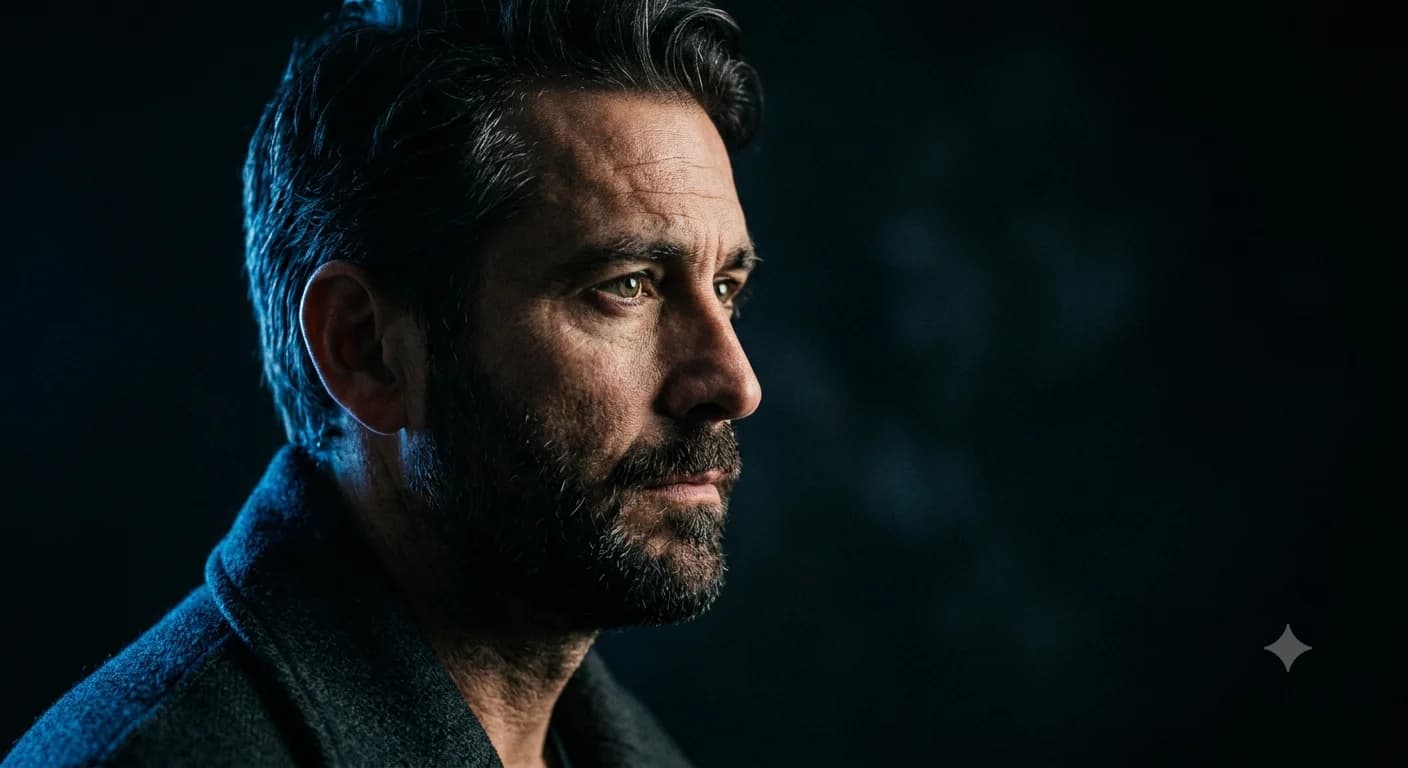
Midjourney Portrait Prompts: 11 That Actually Work
11 Midjourney portrait prompts that work in 2026 — copy-paste them, then learn the lens, lighting, and stylize choices that make a portrait look real.
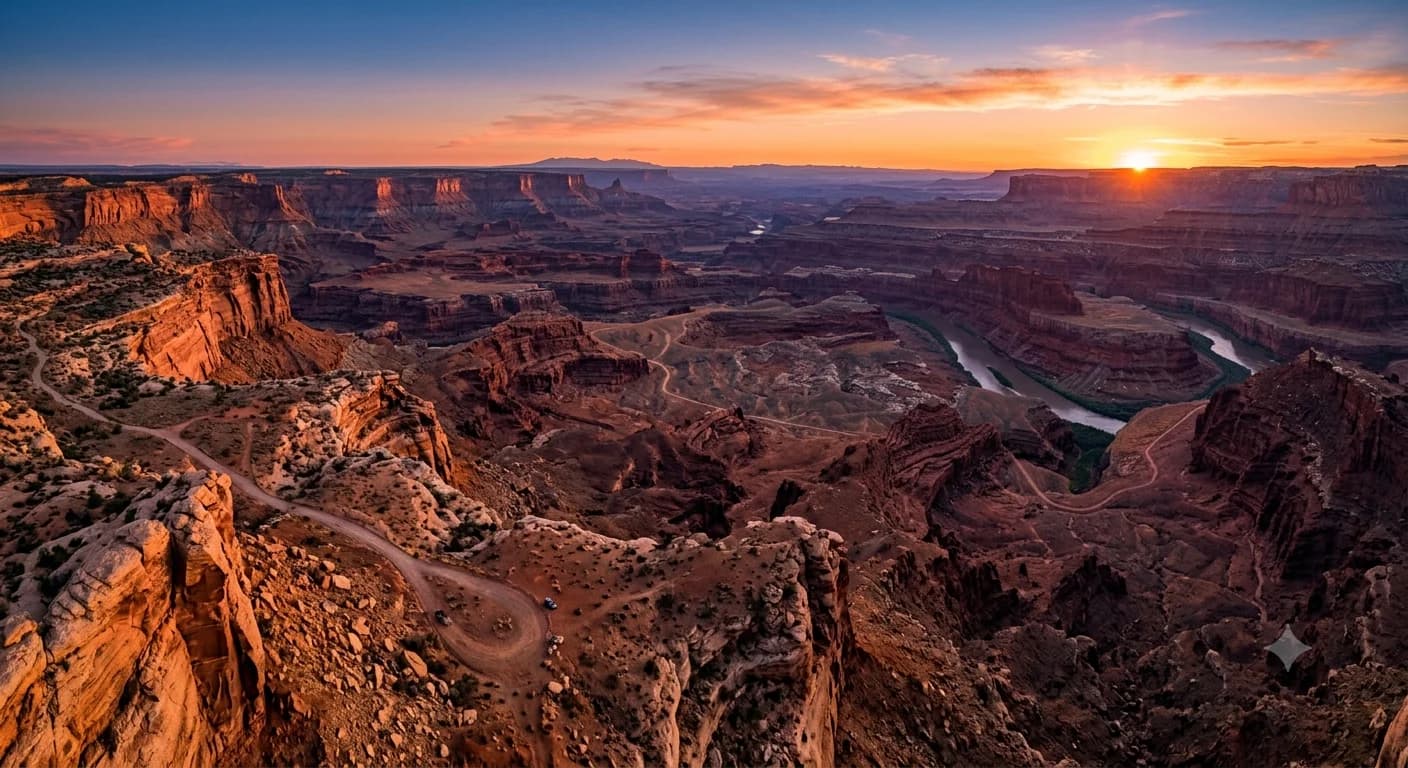
Midjourney Parameters Cheat Sheet: Complete 2026 V8
This Midjourney parameters cheat sheet covers every flag — --ar, --stylize, --chaos, --sref — with V8 defaults, version compatibility, and visuals.
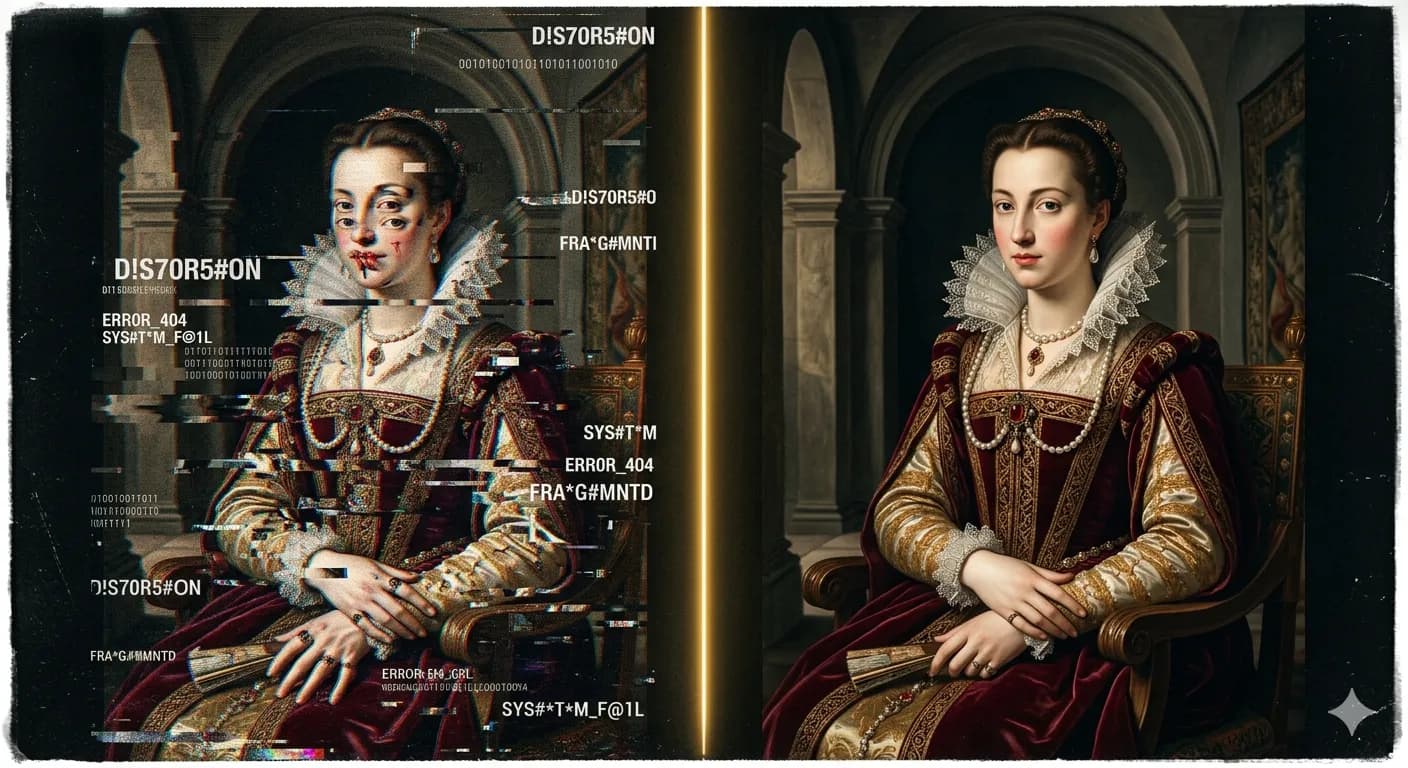
Midjourney Negative Prompts: Fix 8 Common Errors
Midjourney negative prompts, done right. Learn how --no really works, why it backfires, and the 8 fixes for bad hands, text, and clutter that actually hold up.